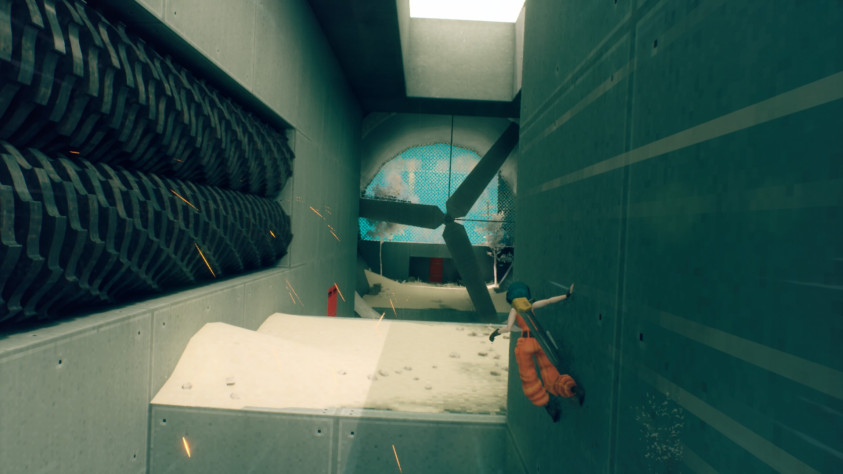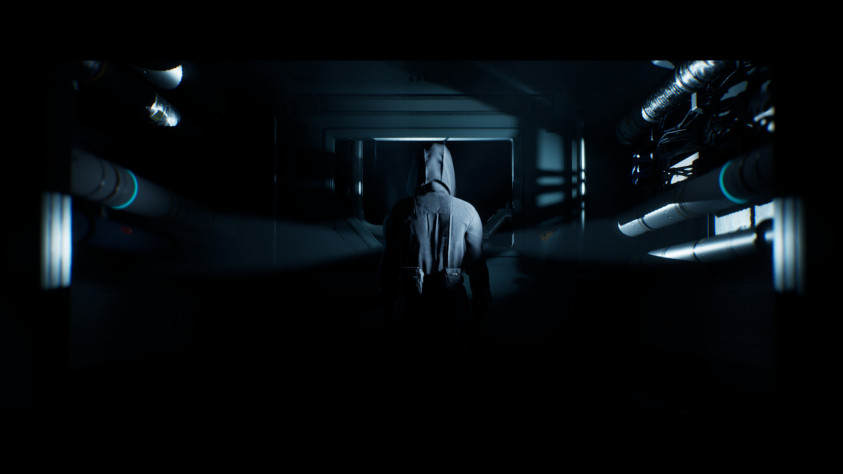
It feels like cosmic horror is having a massive resurgence lately, with games about primordial terrors popping up everywhere. But while most developers just throw some tentacles on the screen and call it a day, Out of the Blue Games actually understands how to capture the atmosphere. A few years ago, they gave us Call of the Sea—a heartbreaking story about Nora Everhart searching for her husband, Henry. Now, Henry is back in Call of the Elder Gods, and honestly, this sequel blows the original completely out of the water.
You don’t strictly need to play the first game, but knowing Henry’s past definitely adds a massive emotional punch to the ending of this new journey.
From Heartbreak to Cosmic Detective Work
While the first game used Lovecraft mainly as a colorful backdrop for a tragic love story, Call of the Elder Gods dives straight into the gritty, paranoid detective vibes of classic Cthulhu mythos.
This time, the story follows a dual perspective. We have Henry Everhart, now a lonely professor buried in his research, and Evangeline Drayton, a physics student at Miskatonic University who is plagued by vivid dreams of an ancient alien city. When Evangeline recognizes an artifact from her nightmares in a newspaper report about Henry’s latest excavation, the two join forces. What starts as a simple academic trip to Virginia quickly spirals into a massive adventure involving secret cults, deep-sea cities, and ancient alien races.
Henry and Evie are easily one of the most charismatic and well-balanced duos I’ve played in a long time. Their banter is incredibly charming—they constantly tease each other while still maintaining a respectful professor-student dynamic. Plus, Nora returns as an invisible narrator, adding witty, sharp commentary that rounds out the dynamic perfectly.
Solving Riddles Without Hand-Holding
Where Call of the Elder Gods truly shines is its gameplay. The developers clearly listened to feedback, making the environments more diverse and the puzzles significantly more inventive.
I highly recommend playing on the Hard difficulty mode, which completely removes your notebook hints, dialogue clues, and hand-holding. It reminded me of the classic “Senior Detective” mode from the old Nancy Drew games. Without an in-game checklist, I felt like a real investigator. I had to physically sit down with a real-world notepad, read every letter carefully, study the environment, and draw my own logical conclusions.
Compared to the recently released Cthulhu: The Cosmic Abyss, which frustrated me with its unnecessarily tedious and obtuse puzzles, Call of the Elder Gods hits the absolute sweet spot. The puzzles range from simple switch-flipping to incredibly complex logic exercises. For example, to break into a cultist safehouse, I had to deduce the real names, star signs, Egyptian patron gods, and ritual order of five different cult members using fragments of information scattered across a multi-story building. It took me nearly two hours of deduction, and it was deeply satisfying.
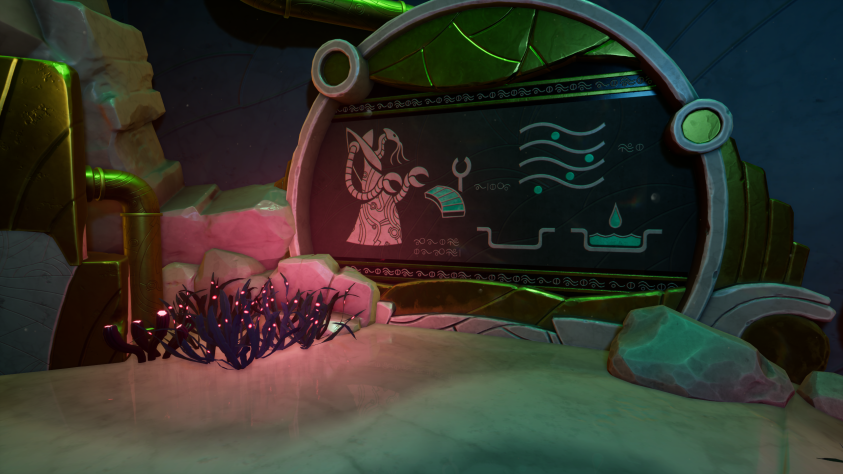
My only real gameplay complaint is that the game lacks an in-game camera feature. Having to run back and forth across a massive base just to re-verify an alien hieroglyph on a wall was a bit annoying.
THE VERDICT
Over its crisp 7-hour runtime, Call of the Elder Gods took me from English manors and abandoned wartime bases to the very bottom of the ocean. It’s a compact, soulful, and beautifully written sequel that avoids all the pacing issues of the first game. If you love clever puzzles, witty dialogue, and a genuinely good Lovecraftian mystery that doesn’t just rely on jump-scares, this is an absolute must-play.
PROS:
- Fantastic character chemistry and genuinely witty, smile-inducing dialogue.
- Incredibly diverse and atmospheric locations that keep the adventure fresh.
- The “No Hints” mode makes you feel like a brilliant, old-school detective.
- Brilliant puzzle design that challenges your logic without being unfair.
CONS:
No in-game camera tool, forcing some tedious backtracking to read signs and clues.
The plot heavily copies Lovecraft’s Shadow Out of Time, leaving very little narrative mystery for hardcore fans.